Anime AI tools: give your idea a visual starting point
An original character, a setting you like and a style you want to explore: start with one scene.
Anime AI tools let you begin with text, edit your own illustration or explore video. Choose a workflow first, then inspect the mode that suits the image you have in mind.
Hitomila links to AiNudez, Pornworks, UndressWith and WaveSpeed AI. These are the same four applications on the homepage. This guide helps you prepare a project and choose a first option, with examples built around clearly adult original fictional characters.
Your character. Your setting. A clear direction for the first image.
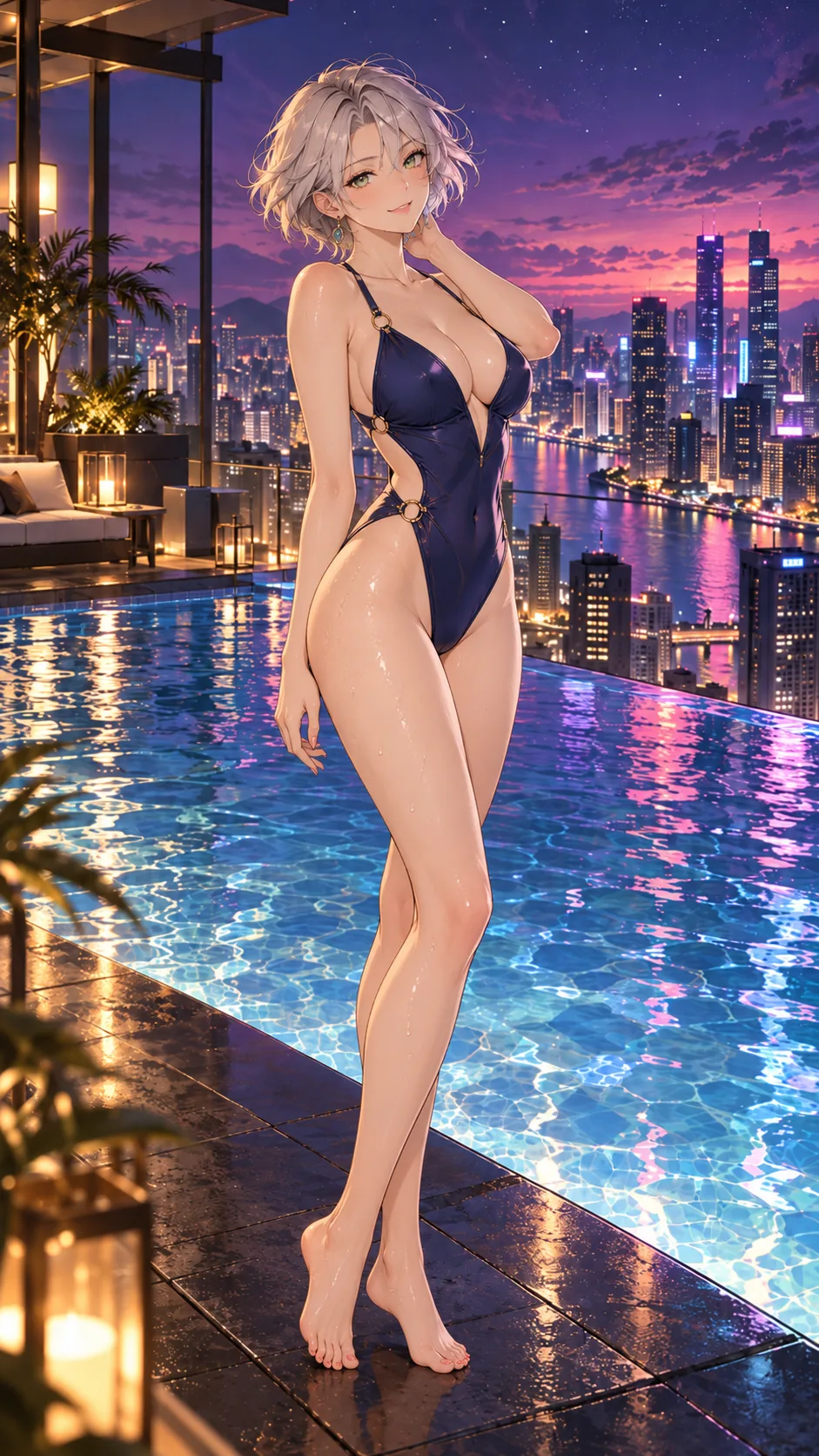
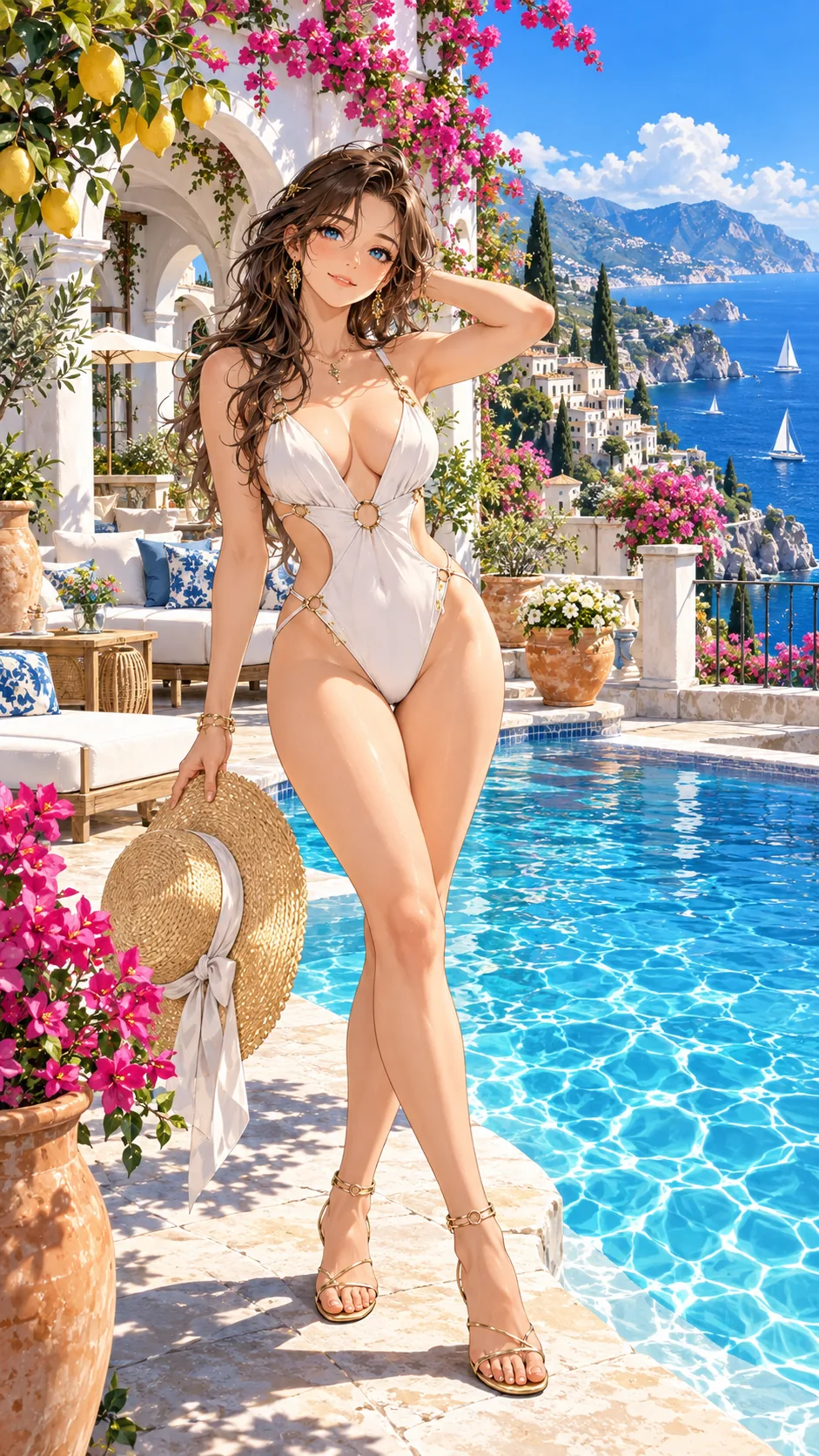
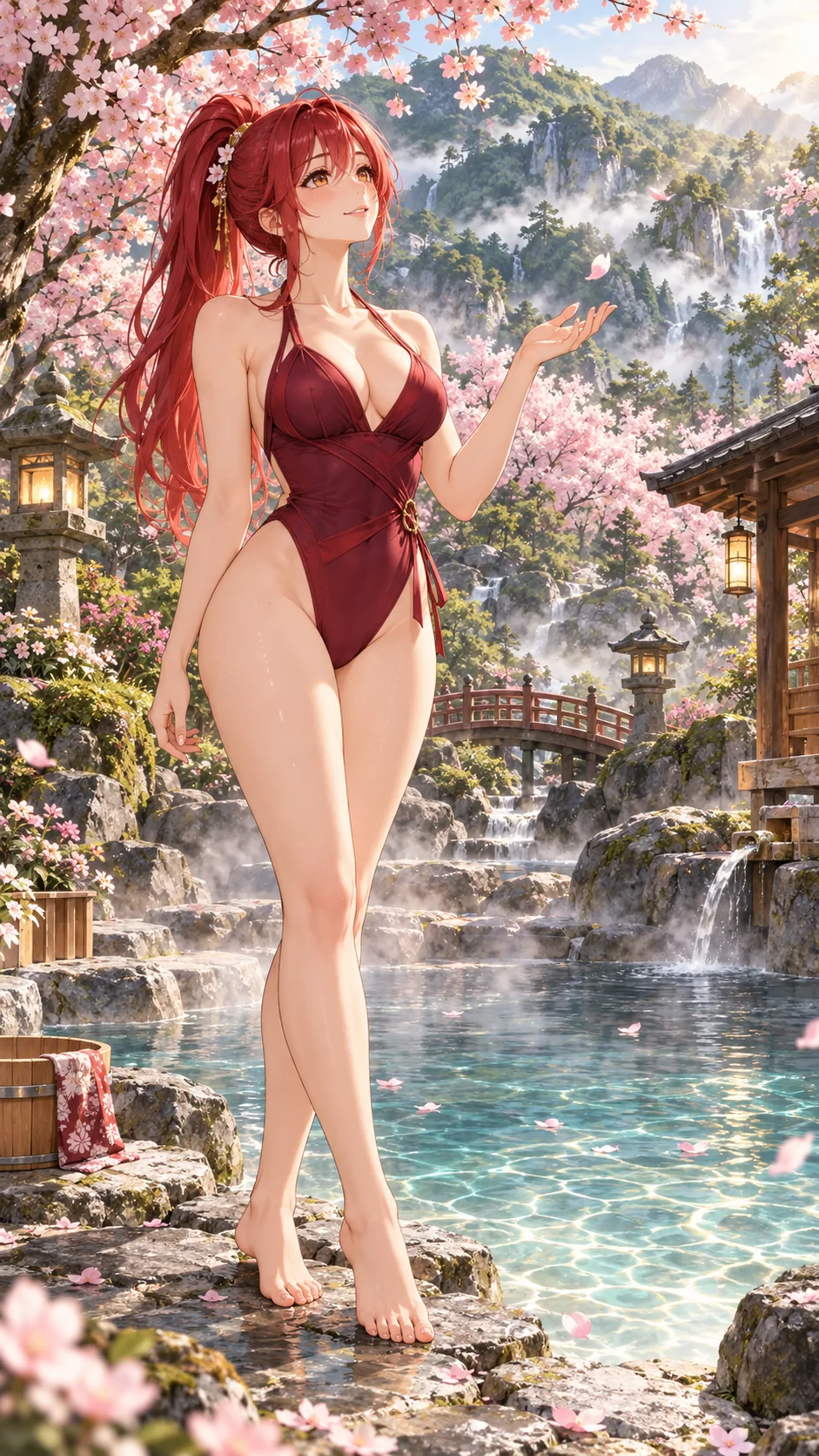
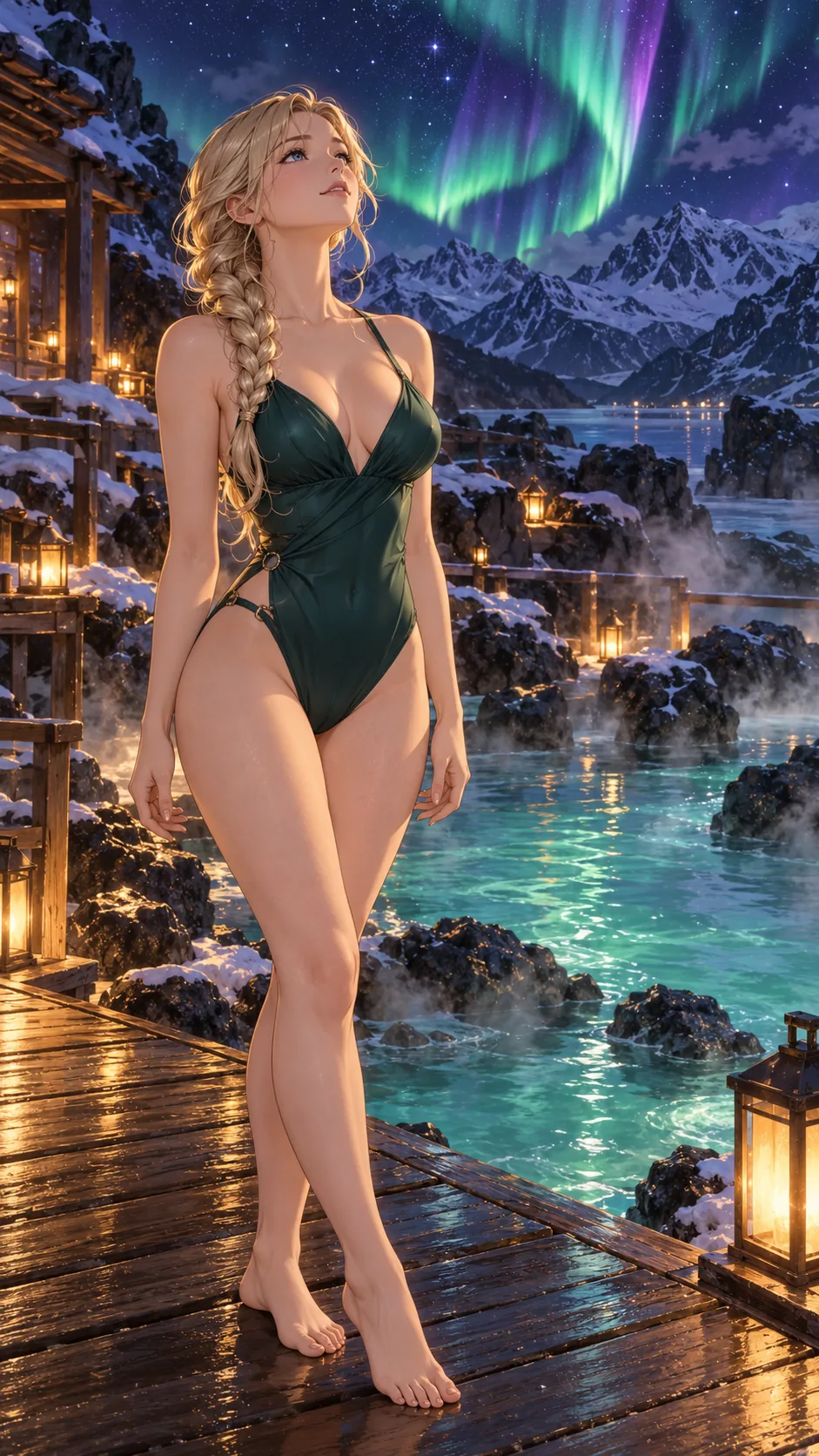
A portrait, a summer terrace and a city at night offer different visual starting points. Define framing and light alongside the character. Those choices give the scene a direction without requiring a long description filled with details that compete for attention.
For other topics, open Hitomila English or the homepage. The application comparison connects the four providers with image, editing and video. Each app runs on its provider's website.
Create a portrait or a scene that has a purpose
Design the image you want
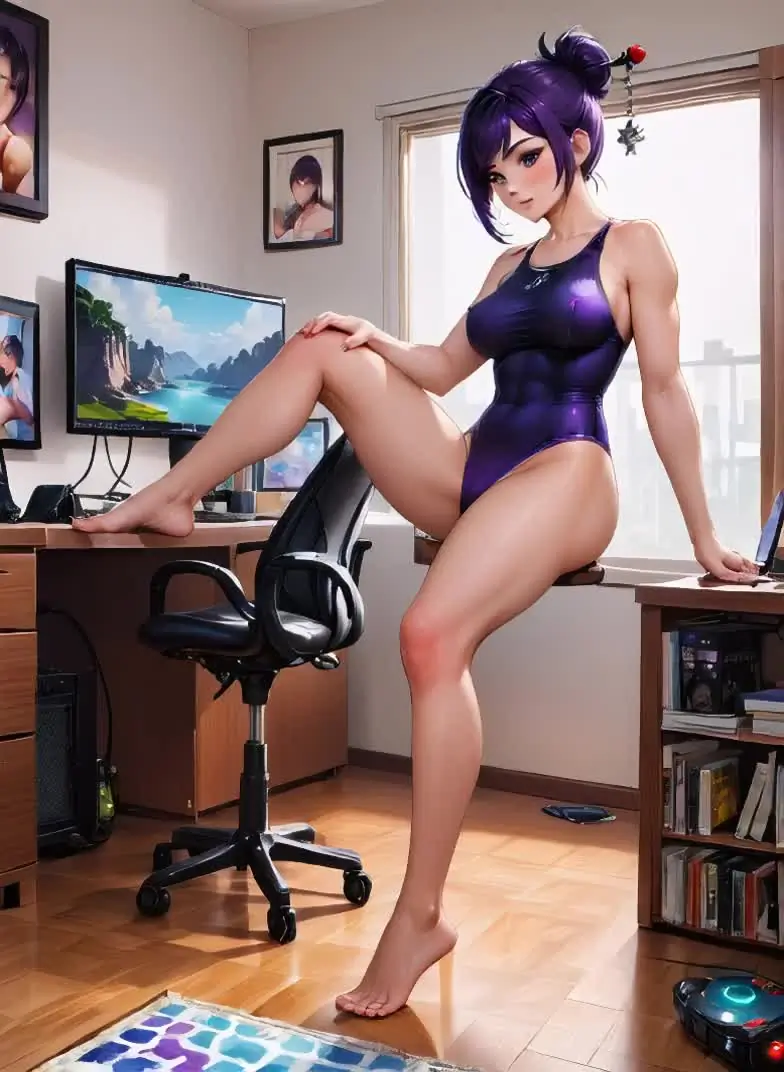
Begin with a clearly adult original character and a few recognizable features: silver hair, green eyes and a blue dress, for example. Add an expression that suits the scene. A calm look and a confident smile can give the same design different moods.
Choose a setting that supports the character. A warm terrace, a poolside view or a simple interior can establish atmosphere without taking over the composition. Describe the qualities you enjoy, such as clean lines or soft light, rather than copying a particular work.
Choose its framing
Think about where the image will appear. A profile picture needs a recognizable face at a small size; a header may need an open area for a title. Choose the aspect ratio and framing before producing many versions in the wrong shape.
The anime AI art guide develops this workflow in more detail. Once the base composition works, change one element at a time. You can select a useful version sooner when each adjustment has a specific purpose you can recognize.
Build a small collection around the same character
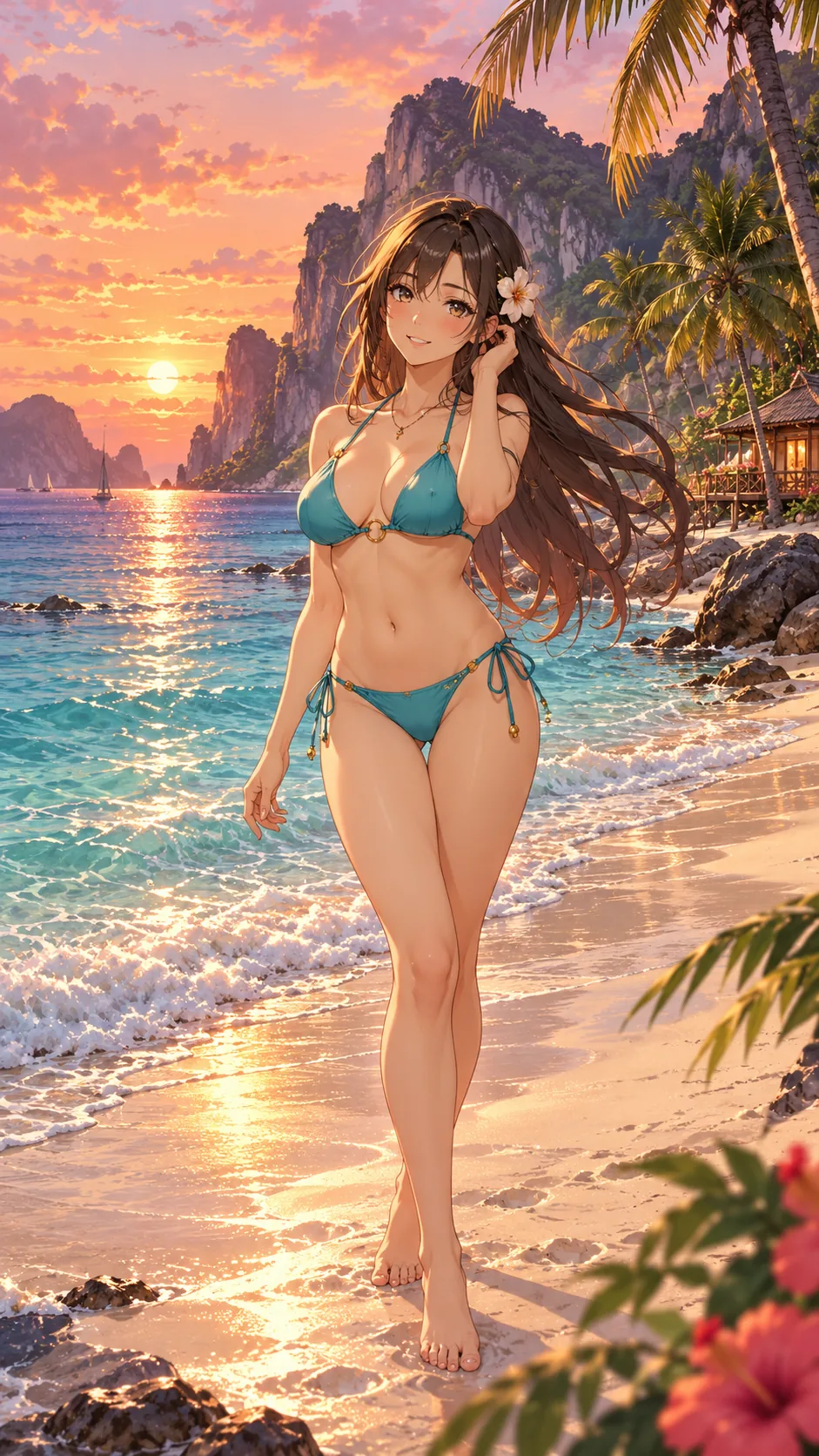
A collection can begin with three related images: a portrait, a sunset setting and a night scene. Keep the adult character's main traits, clothing and palette stable. Changing the environment gives each image variety while preserving a recognizable visual identity across the set.
Look at the selected versions together. A change in hair or accessories can be difficult to notice when viewing each picture separately. Choose the images that feel connected, rather than assuming every attractive output belongs in the same series just because it used one description.
If the mode accepts reference images, check what the input is meant to control. Use artwork you own or have permission to use. A reference can guide a workflow, but it does not guarantee that every feature will stay identical in each result.
Keep a base description and note each scene's changes. You can return to the light or setting you liked before extending the collection to more poses and environments.
Give a clear scene a little movement
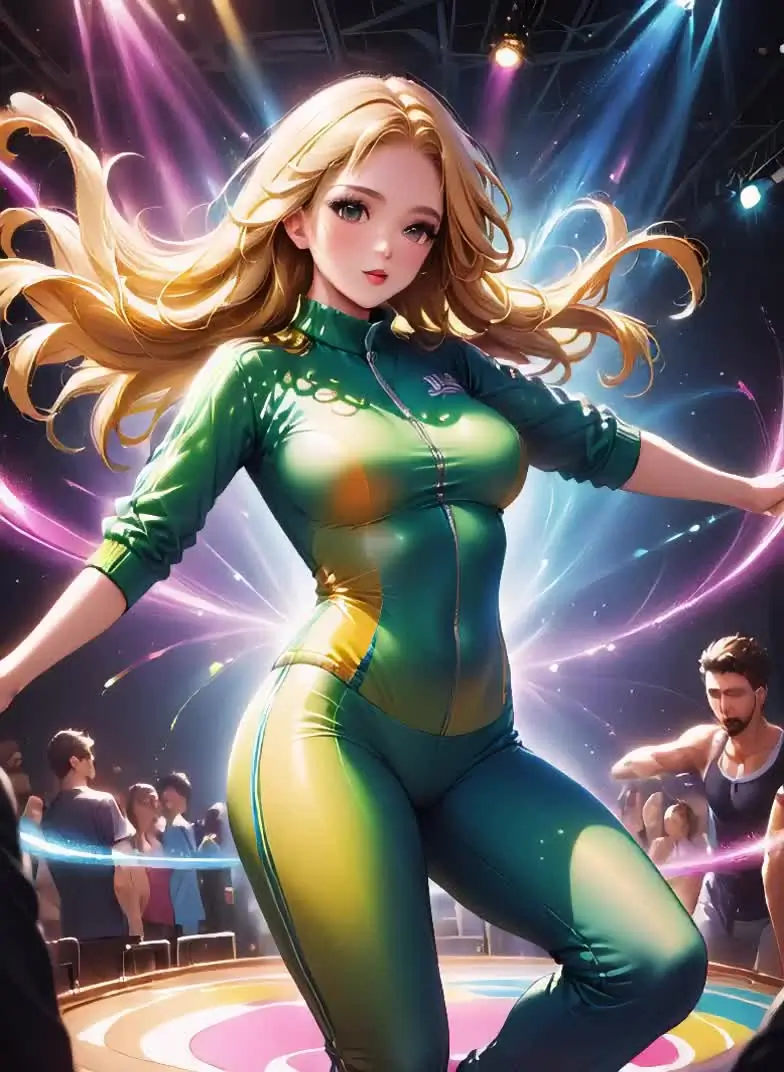
For video, choose one simple action: a camera approaching, a slight change in pose or motion in the background. Start from an original adult character and a clear composition. A modest scene makes it easier to recognize what should move and what should remain stable.
Pornworks, UndressWith and WaveSpeed AI present video options. Check the selected mode or model for supported inputs, length, export and operation cost. Those details define the scene you can prepare; a platform's general presentation does not replace the individual tool's controls.
Watch the clip from beginning to end. A still preview does not show how the face, clothing or framing behaves during movement. Select a version that keeps the character recognizable and suits the space where you intend to display the video.
Leave some room for another attempt if the movement needs adjustment. A clear base image and a specific action give the revision a direction. For the differences between still artwork and animation, the hentai anime guide explains what each format brings to a scene.
Choose the tools your idea actually needs
Make the first choice around the work you want to finish. A portrait needs different controls from a clip, and a small revision differs from a full new generation. This table connects a project idea with the questions that help you select its mode.
You do not have to use every feature a provider presents. Start with the controls that matter to your first scene: framing, a suitable input and a usable download. Additional models or options can wait until your project actually needs them.
| Your idea | Controls to look for | Your next step |
|---|---|---|
| A new portrait | Text input, framing and image export | Explore an image creation mode |
| A connected collection | Character traits and compatible reference input | Prepare a base character description |
| A revision | Accepted image input and relevant editing controls | Choose one change to make |
| A short scene | Video input, duration and output format | Define a simple movement |
| A finished project | Export size and intended-use conditions | Check the selected mode and plan |
Check the provider's help when a necessary control is unclear. Once the mode fits your workflow, consider whether its access and operation cost also fit your plan.
Four applications to explore from Hitomila
AiNudez presents text-to-image and retouching tools. Explore it if you want to begin from a description or look at adjustments for an image. Check the chosen mode for framing, input and export before preparing a large collection of scenes.
Pornworks presents image generation, editing and video options. It is a place to explore more than one visual format. Choose the actual tool for your project so that its parameters, operation costs and output are connected to the work you want to do.
UndressWith presents image editing and video options. If you have your own base illustration, check which input the mode accepts and what change it can make. Keep an original copy so you can compare the revision without losing the starting point.
WaveSpeed AI brings together image and video models. Explore the model that interests you and check its specific controls. Open these providers from the homepage app cards, or use the comparison when you want their approaches in one place.
Leave room for versions, not just final images
A session for exploring
The first image may help you choose a pose or a palette even if you do not keep it. Reserve part of your session for those alternatives. Counting only the final images you hope to save can leave too little room to explore the composition.
For example, a three-scene collection could have several generation attempts for each scene and a few final edits. That is a planning example, not a prediction of successful outputs. Use the actual operation cost for the selected provider and mode when estimating the session.
A session for finishing
Once a base works, concentrate the remaining changes on something visible: a distracting object, an unsuitable crop or a background that competes with the character. A specific revision gives the next operation a purpose instead of repeating the same idea without direction.
The generator guide explains access, credits and project planning. Different providers define consumption differently, so a larger balance is not automatically more useful work. Connect the plan to the image, editing or video actions you expect to use.
Choose a payment period that suits your project
An occasional image project and an ongoing collection may call for different commitments. Before choosing, look at the complete billing period and the functions included. A plan makes more sense when it supports the work you will actually do during that time.
A monthly equivalent can accompany a full annual payment upfront. An introductory price can also differ from renewal. Read the provider's final checkout to identify currency and total, rather than treating one headline number as the whole cost of access.
When browsing from Mexico, use the amount shown for your purchase and the conditions of your payment method. We do not publish peso totals based on an assumed exchange rate. The provider's final screen is the place to confirm what you are about to accept.
Locate renewal and cancellation help before confirming. Keep a reference to the plan and date so you can manage the account later. Deletion and refund requests are separate actions with their own conditions, rather than results you should assume from cancelling a renewal.
Use resources and conditions that fit your work
Your character and input artwork
For a visual project, fictional names and settings are enough. A clearly adult original character can have its own face, clothes and atmosphere without using someone's identity or private photographs. If the mode needs a base image, use your own or authorized artwork.
Check how the provider handles inputs and creation visibility before sharing resources. Storage and deletion are separate from whether an image appears in a public gallery. If the project requires confidentiality, read the relevant conditions rather than relying on a short privacy label.
The destination of the result
Decide whether the result is for personal use, a public project or a client. Downloading a file and permission to use it commercially are different questions. Check the provider's conditions and, where relevant, those of the specific model you selected.
Ask the provider about any unclear permission. Preparing that part early lets you focus the creative session on character, composition and the version you want to keep.